search
Udostępnij



9781399056120
22 x 27.5
224
Angielski
twarda
Nowy produkt
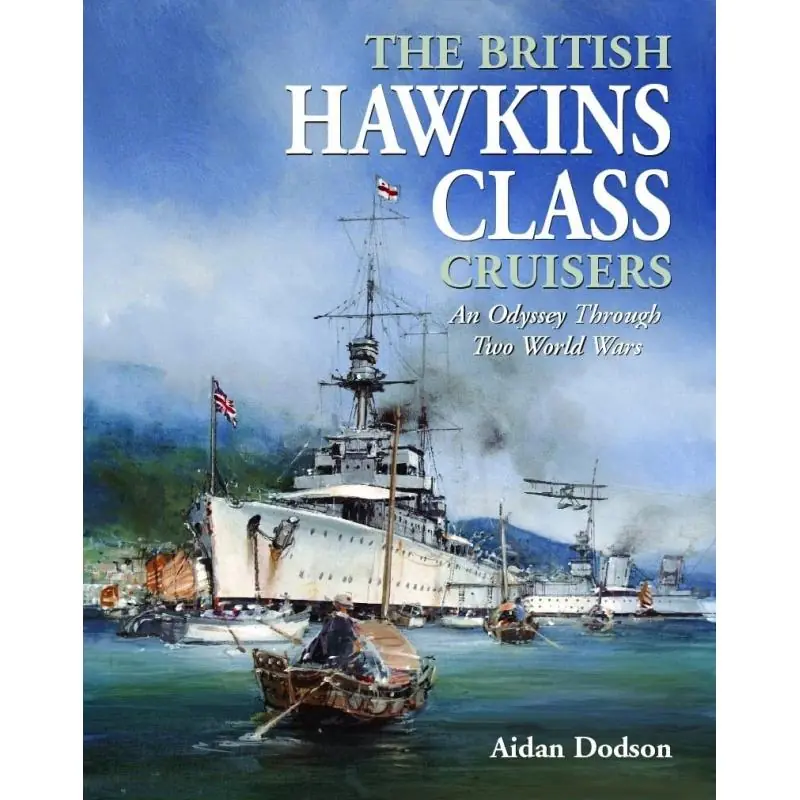
During the First World War, rumours of heavily-armed German raiders led to the building of the first modern heavy cruisers by the Royal Navy. Named for famous Elizabethan seamen, they were very different from the lumbering armoured cruisers of the previous generation, and were enlarged developments of the highly successful light cruisers that had been built
During the First World War, rumours of heavily-armed German raiders led to the building of the first modern heavy cruisers by the Royal Navy. Named for famous Elizabethan seamen, they were very different from the lumbering armoured cruisers of the previous generation, and were enlarged developments of the highly successful light cruisers that had been built since the mid-1910s. As such, they provided the prototypes for the Washington Treaty cruisers that dominated naval construction during the 1920s, with two of them also pioneering the use of the catapult for launching aircraft from cruiserspleted too late to actively participate in the First World War, they would go on to have mixed fortunes, spending much of their careers as flagships, but also being sadly attracted to rocky reefs, in two cases with fatal results. One, Cavendish (later Vindictive), fulfilled a remarkable array of functions during her career: laid down as a cruiser, completing as an aircraft carrier, then reverting to a cruiser, to be further transformed into a dedicated cadet training ship, and finally a repair ship. Meanwhile Effingham underwent the most comprehensive rebuilding of any British cruiser of her era. Disarmed and nearly scrapped as a result of the London Naval Treaty, all the survivors nevertheless returned to serve during the Second World War in a range of roles, two gaining battle honours – albeit in one case fatally – during the Norwegian campaign, and Hawkins and Frobisher spending long years as deep-sea escorts in the South Atlantic and Indian Oceans, before being brought back to bombard the beaches of Normandy. The story of the Hawkins class therefore weaves strands that include the technical development of the cruiser in the UK and abroad, the early use of aircraft at sea, international naval diplomacy and treaty-making between the wars, the evolution of the cadet training regime in the Royal Navy, the way in which the vital southern and eastern trade routes were kept open...